Your vehicle’s suspension does much more than make the ride feel comfortable. It helps keep the tires planted on the road, supports predictable steering, and allows you to maintain control when braking, turning, or driving over uneven pavement. When part of the suspension begins wearing out, the change may be gradual enough that you adjust to it without realizing something is wrong.
A small clunk over a speed bump or a slight pull to one side might not seem urgent at first. Over time, though, suspension problems can contribute to uneven tire wear, longer stopping distances, unstable handling, and added strain on other components. Recognizing the most common suspension problems can help you schedule repairs before the vehicle becomes uncomfortable or unsafe to drive.
Worn Shocks and Struts
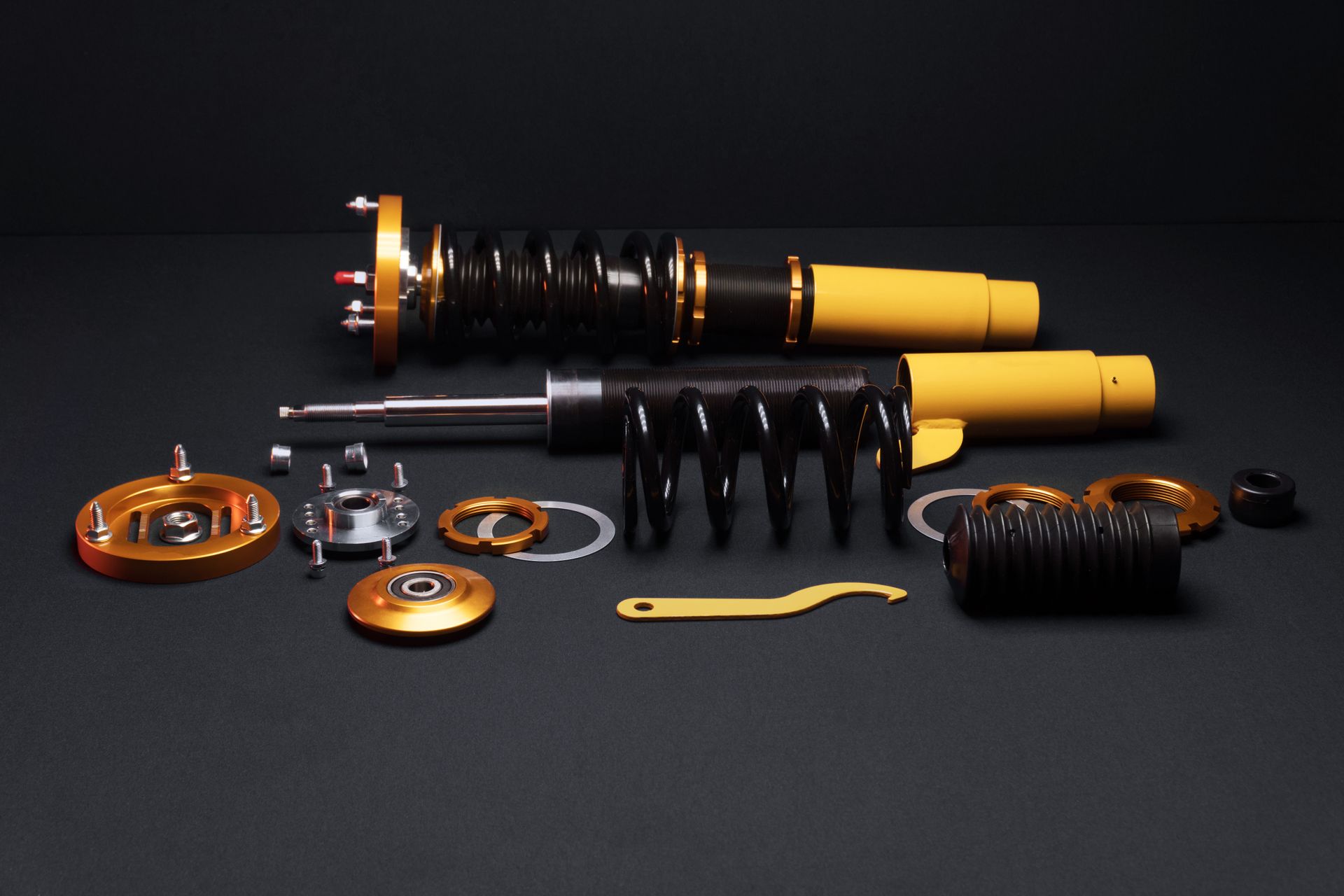
Shocks and struts help control the movement of the springs as your vehicle travels over bumps, dips, and rough roads. Without them, the body of the vehicle would continue bouncing after every change in the road surface.
As shocks or struts wear out, you may notice excessive bouncing, a floating sensation at highway speeds, or more body movement while turning. The front of the vehicle may dip noticeably during braking, while the rear may squat during acceleration. You may also see fluid leaking from the shock or strut housing.
These components typically wear down gradually, so many drivers do not immediately notice how much the ride quality has changed. A suspension inspection can determine whether the shocks or struts are still controlling movement properly or are due for replacement.
Broken or Sagging Springs
Coil springs support the weight of the vehicle and help maintain the correct ride height. They also absorb some of the impact created by potholes, speed bumps, and uneven pavement.
A spring can weaken, sag, or break because of age, corrosion, repeated heavy loads, or a hard impact. When a spring fails, one corner of the vehicle may sit lower than the others. Drivers may also hear a clunking or rattling sound, especially when turning or driving across rough surfaces.
A damaged spring can place additional pressure on the shock or strut and may affect wheel alignment. Since a broken section of spring can sometimes sit close to the tire, the problem should be inspected promptly rather than ignored.
Worn Ball Joints
Ball joints connect parts of the suspension while allowing the wheels to move up and down and turn from side to side. They function as flexible pivot points and are especially important to steering control.
As a ball joint wears, it may create a knocking or clunking sound when driving over bumps. Steering may begin to feel loose, and the vehicle may wander instead of tracking straight. Uneven tire wear can also develop if the wheel is no longer held at the proper angle.
A severely worn ball joint can become a serious safety concern because complete failure may allow the wheel to shift out of position. Routine inspections are particularly important for trucks, SUVs, and vehicles that frequently travel on rough roads.
Damaged Control Arms and Bushings
Control arms connect the wheel assembly to the vehicle’s frame. Rubber or polyurethane bushings allow the control arms to move while reducing vibration and metal-to-metal contact.
The bushings can crack, soften, or separate as they age. When that happens, you may hear a thud or clunk during acceleration, braking, or sharp turns. The steering may feel inconsistent, and the vehicle might pull to one side. Worn bushings can also make it difficult to maintain a proper wheel alignment.
Sometimes only the bushing needs attention, while other designs require replacement of the entire control arm. A technician can inspect the assembly and recommend the appropriate repair based on the condition of the components.
Tie Rod Wear
Tie rods are part of the steering system, but their condition has a major effect on suspension performance and handling. They connect the steering rack to the wheel assemblies and help transfer your steering input to the tires.
Common signs of tie rod wear include loose steering, vibration through the steering wheel, uneven tire wear, and clunking sounds while turning. The vehicle may also feel less stable when changing lanes or driving at higher speeds.
Because tie rods affect your ability to steer accurately, they should be checked whenever the steering feels loose or unpredictable. Replacing a worn tie rod is usually followed by a wheel alignment to restore the proper tire angles.
Sway Bar Link and Bushing Problems
The sway bar helps limit body roll when the vehicle turns. Sway bar links and bushings connect the bar to the suspension and allow it to perform its job without creating excessive noise or vibration.
Worn links often cause rattling or knocking sounds when traveling over small bumps. Damaged bushings may make the vehicle feel less stable during corners, especially when turning at moderate speeds. The body might lean more than usual, even if the road is relatively smooth.
Sway bar components are smaller than many other suspension parts, but they can have a noticeable effect on handling. Replacing worn links or bushings can often eliminate annoying noises and restore a more controlled feel.
Wheel Alignment Problems
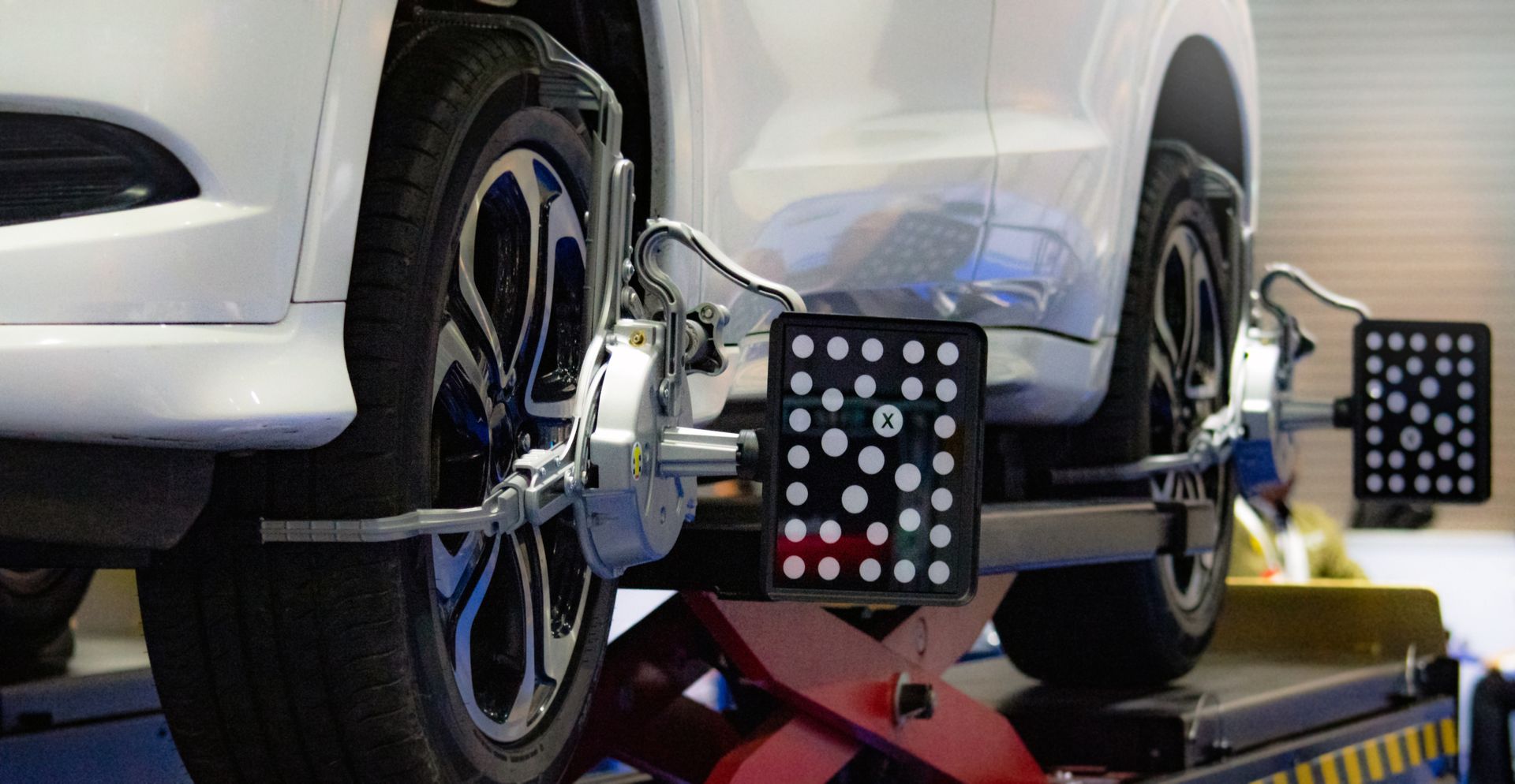
A vehicle can fall out of alignment after hitting a pothole, striking a curb, or driving for an extended period with worn suspension parts. Alignment problems can cause the vehicle to pull, the steering wheel to sit off-center, or the tires to wear unevenly.
An alignment service adjusts the wheel angles so the tires meet the road correctly. However, an alignment alone will not fix loose ball joints, damaged control arms, or worn tie rods. Suspension components should be inspected first so the alignment can be completed accurately and hold its settings.
Addressing alignment issues early may help extend tire life and improve steering response. It can also prevent you from replacing tires prematurely because one edge has worn much faster than the rest.
Uneven or Premature Tire Wear
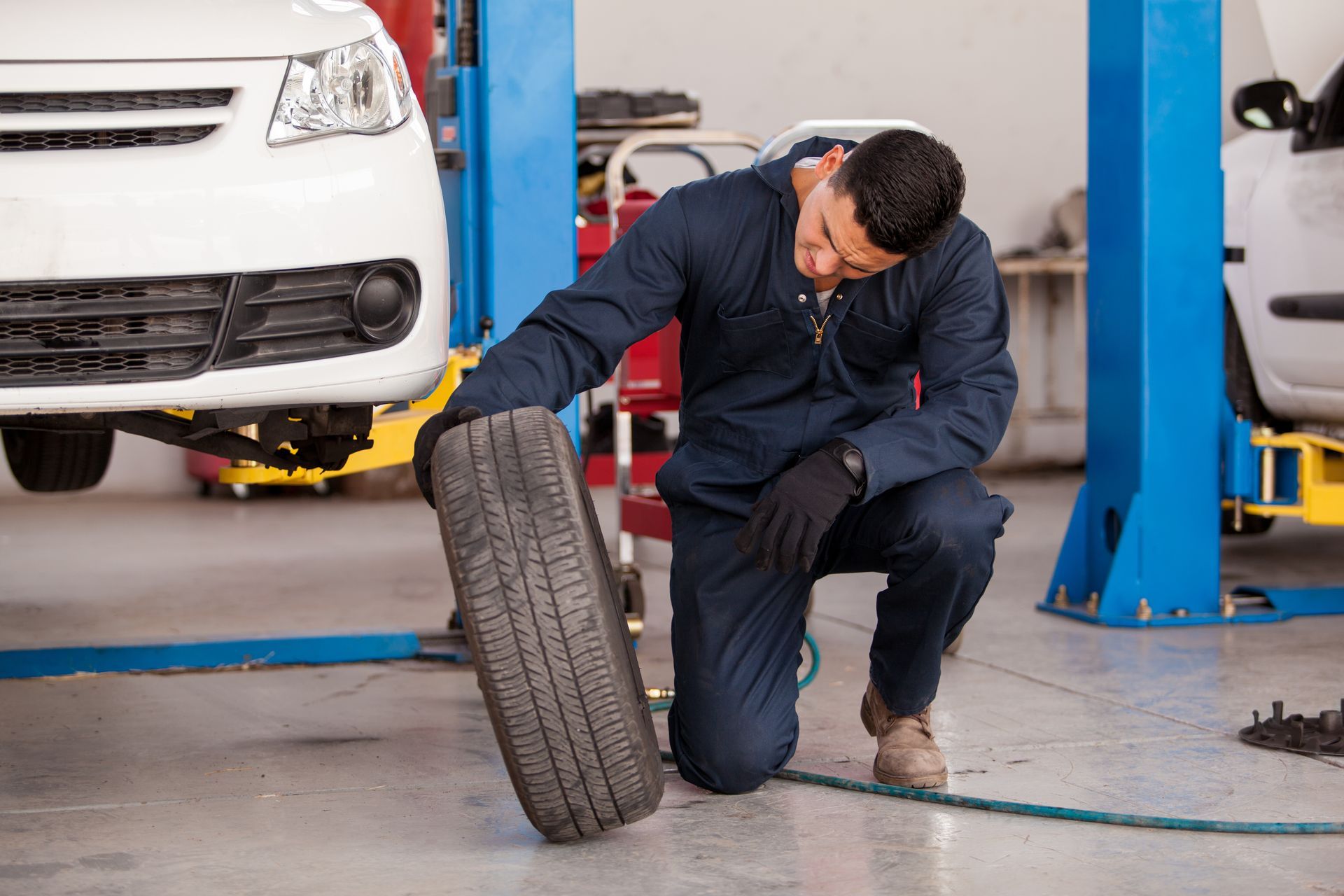
Tire wear is often one of the most visible signs of a suspension problem. Cupping, scalloped patches, worn inner edges, or worn outer edges may point to weak shocks, loose components, or incorrect alignment angles.
Tires can also develop uneven wear because of improper inflation or a lack of rotation, so the wear pattern needs to be evaluated carefully. A technician can inspect the tires alongside the suspension to identify the underlying cause rather than simply installing new tires and allowing the same problem to return.
Catching suspension-related tire wear early can save money and help maintain consistent traction in rain, snow, and emergency braking situations.
Do Not Ignore Changes in How Your Vehicle Handles
Suspension problems do not always begin with a dramatic failure. They often start with a new noise, a rougher ride, unusual tire wear, or steering that feels slightly different than it used to. Paying attention to those changes can help you address worn parts before they affect several other systems.
If your vehicle is bouncing, pulling, clunking, leaning, or wearing through tires too quickly, contact
A+ Brakes & Suspension in Brandon, FL to schedule a suspension inspection. Our technicians can examine the shocks, struts, springs, steering components, bushings, and wheel alignment to find the source of the problem.