Back-to-school season changes the rhythm of the road. Quiet summer mornings become crowded with school buses, parents dropping off children, teen drivers heading to class, cyclists sharing the lane, and pedestrians crossing streets that may have felt empty just a few weeks earlier.
At our shop, we know this adjustment can catch drivers off guard. A route that took ten minutes during summer may suddenly take twenty. Traffic may stop in places where it normally keeps moving. Children may step into a crosswalk with little warning, and school buses may make frequent stops along roads that were previously easy to navigate.
Safe driving during the school year starts with patience, awareness, and a vehicle that responds properly when you need it. A few thoughtful habits can help make morning commutes and afternoon pickups safer for everyone.
Leave Earlier Than You Think You Need To
Running late is one of the easiest ways to create unnecessary risk. When drivers feel rushed, they are more likely to speed, follow too closely, roll through stop signs, or become frustrated with school buses and slow-moving traffic.
Give yourself extra time during the first few weeks of school. Traffic patterns may take time to settle, especially near campuses with new drop-off procedures, construction, or changed bus routes.
Leaving earlier allows you to slow down without feeling like every delay is a problem. It also gives you more time to react when a bus stops, a crossing guard enters the roadway, or a line of cars begins backing up near a school entrance.
A calmer schedule usually leads to calmer driving, which is especially important in areas filled with children who may not always behave predictably near traffic.
Slow Down In School Zones
School zone speed limits are lower for a reason. Children can be difficult to see between parked cars, buses, and larger vehicles. They may also misjudge the speed or distance of an approaching car.
Watch carefully for flashing school zone signs and posted hours. Some reduced speed limits only apply during certain times, while others may be active whenever warning lights are flashing.
Do not speed up the moment you pass the main school entrance. Students may be walking several blocks away, crossing side streets, or riding bikes through nearby neighborhoods.
Slowing down gives you more time to recognize a hazard and reduces the distance your vehicle needs to stop. The few seconds you save by speeding through a school zone are never worth the added risk.
Expect More Sudden Stops
Back-to-school traffic can be unpredictable. A parent may stop unexpectedly to let a child out. A bus may activate its warning lights. A crossing guard may hold traffic while students enter a crosswalk.
Increase the distance between your vehicle and the one ahead. Following too closely limits your view and leaves less room for a safe stop.
Extra following distance also helps reduce aggressive stop-and-go driving. Instead of constantly switching between the accelerator and brake pedal, you can respond more gradually as traffic changes.
At our shop, we often remind drivers that stopping distance depends on more than reaction time. Tire condition, brake wear, road surface, speed, and weather all affect how quickly a vehicle can slow down.
Know How To Respond To School Buses
School buses make frequent stops, and drivers need to recognize their warning signals. Flashing yellow lights generally mean the bus is preparing to stop. Begin slowing down and be ready to stop rather than trying to pass before the red lights activate.
When the red lights flash and the stop arm extends, traffic must stop according to local laws. The rules may vary depending on whether the road is divided, so drivers should understand the requirements in their area.
Never pass a stopped school bus illegally. Children may cross in front of the bus, behind it, or from a location you cannot see clearly.
Stay stopped until the warning signals are turned off and the bus begins moving again. Do not assume the road is clear just because one child has reached the sidewalk.
Watch Carefully For Pedestrians
Children do not always cross at the most convenient or expected location. A student may run across the street after spotting a friend, step out from between parked cars, or become distracted by a phone.
Scan sidewalks, driveways, bus stops, and intersections instead of focusing only on the vehicle directly ahead. Be especially cautious near crosswalks, even when no one appears to be entering them yet.
Stop before the crosswalk line rather than inside the crossing area. Blocking a crosswalk may force pedestrians to walk around your vehicle and into active traffic.
Eye contact can also be helpful. A pedestrian may see your vehicle but still be unsure whether you plan to stop. Clear, predictable driving makes it easier for everyone to understand what is happening.
Give Cyclists Enough Space
Back-to-school season often means more students riding bicycles. Some may be experienced riders, while others may be navigating traffic on their own for the first time.
Allow plenty of room when passing a cyclist. Avoid squeezing between a bike and oncoming traffic just to save a few seconds.
Check your mirrors and blind spots before turning or opening a door near the curb. A cyclist may be approaching more quickly than expected, especially on a downhill road.
Be patient if a narrow road does not offer enough space to pass safely. Waiting for a clear opportunity is much better than forcing a cyclist toward the edge of the pavement.
Put The Phone Away
Distracted driving is dangerous at any time of year, but it becomes even riskier when school traffic returns. Looking down for a few seconds can be enough to miss a stopped bus, changing traffic light, or child entering the roadway.
Set your navigation, music, and climate controls before you begin driving. Keep your phone out of reach or use a driving mode that limits notifications.
Parents should also avoid turning around to handle problems in the back seat while the vehicle is moving. Pull into a safe location if a child needs help with a seat belt, backpack, snack, or dropped item.
Your full attention belongs on the road, especially in areas where traffic conditions can change quickly.
Be Patient In School Drop-Off Lines
School drop-off areas can become crowded and confusing. Follow the school’s established traffic pattern even if another route looks faster.
Do not stop in an active travel lane to let passengers out. Children should exit from the side of the vehicle closest to the sidewalk whenever possible.
Have backpacks, lunches, and other items ready before reaching the front of the line. Searching for belongings while other vehicles wait can create congestion and encourage impatient drivers to make unsafe moves.
Avoid double parking or blocking driveways. A few extra minutes in the correct line is safer than creating a situation where children must walk between moving vehicles.
Talk With Teen Drivers Before School Begins
Teen drivers may be facing a new route, earlier mornings, heavier traffic, and pressure to arrive on time. A conversation before the school year starts can help set clear expectations.
Remind them to wear a seat belt, avoid phone use, limit distractions from passengers, and leave enough time for the drive. They should also know what to do if a warning light appears or the vehicle starts behaving differently.
New drivers may not recognize early signs of a problem, such as a soft brake pedal, low tire, overheating gauge, or unusual steering response. Encourage them to speak up when something feels wrong instead of hoping it disappears.
Practicing the school route ahead of time can help a young driver become familiar with turns, traffic lights, parking areas, and school zone boundaries before the first busy morning.
Check Your Tires Before The Routine Gets Busy
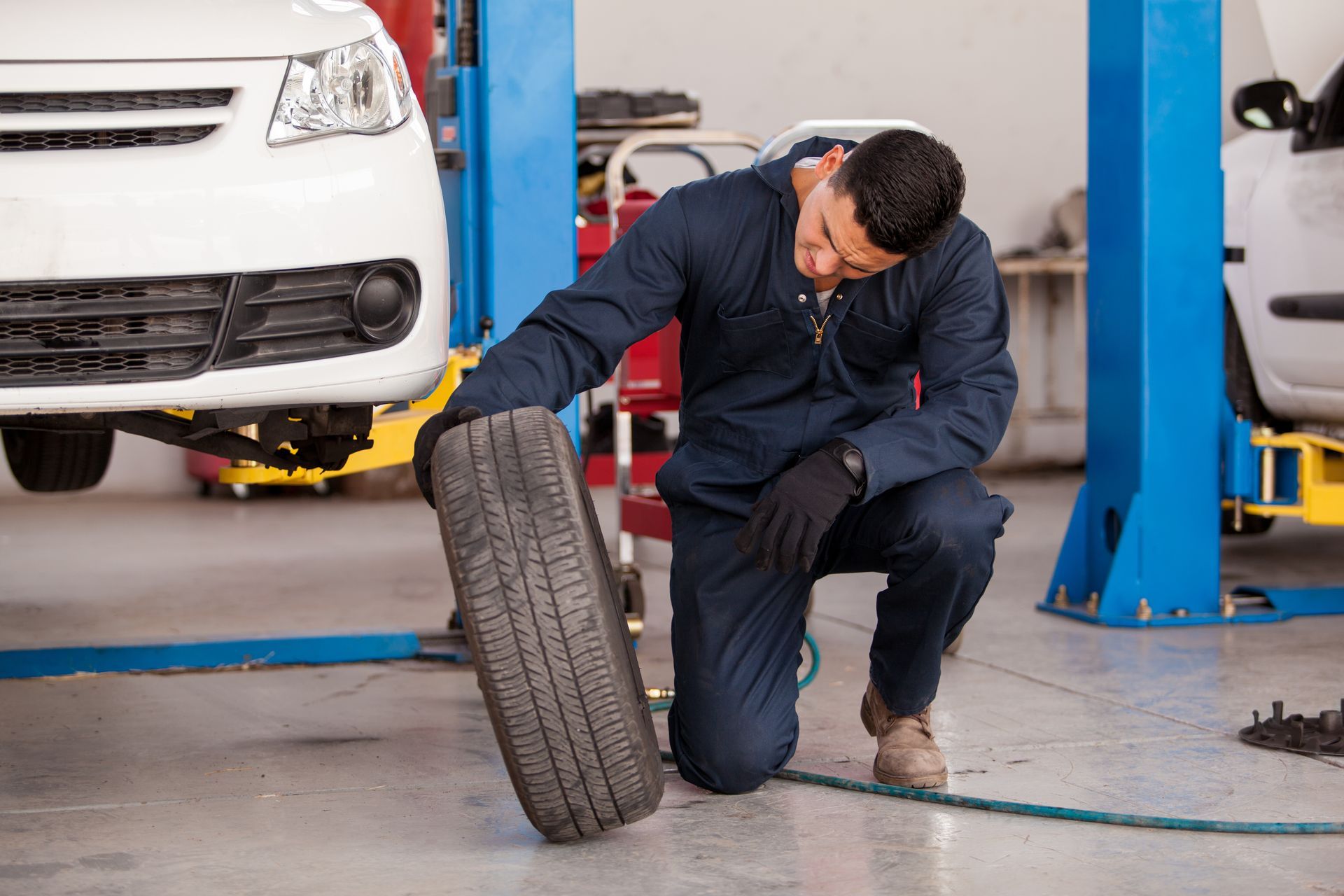
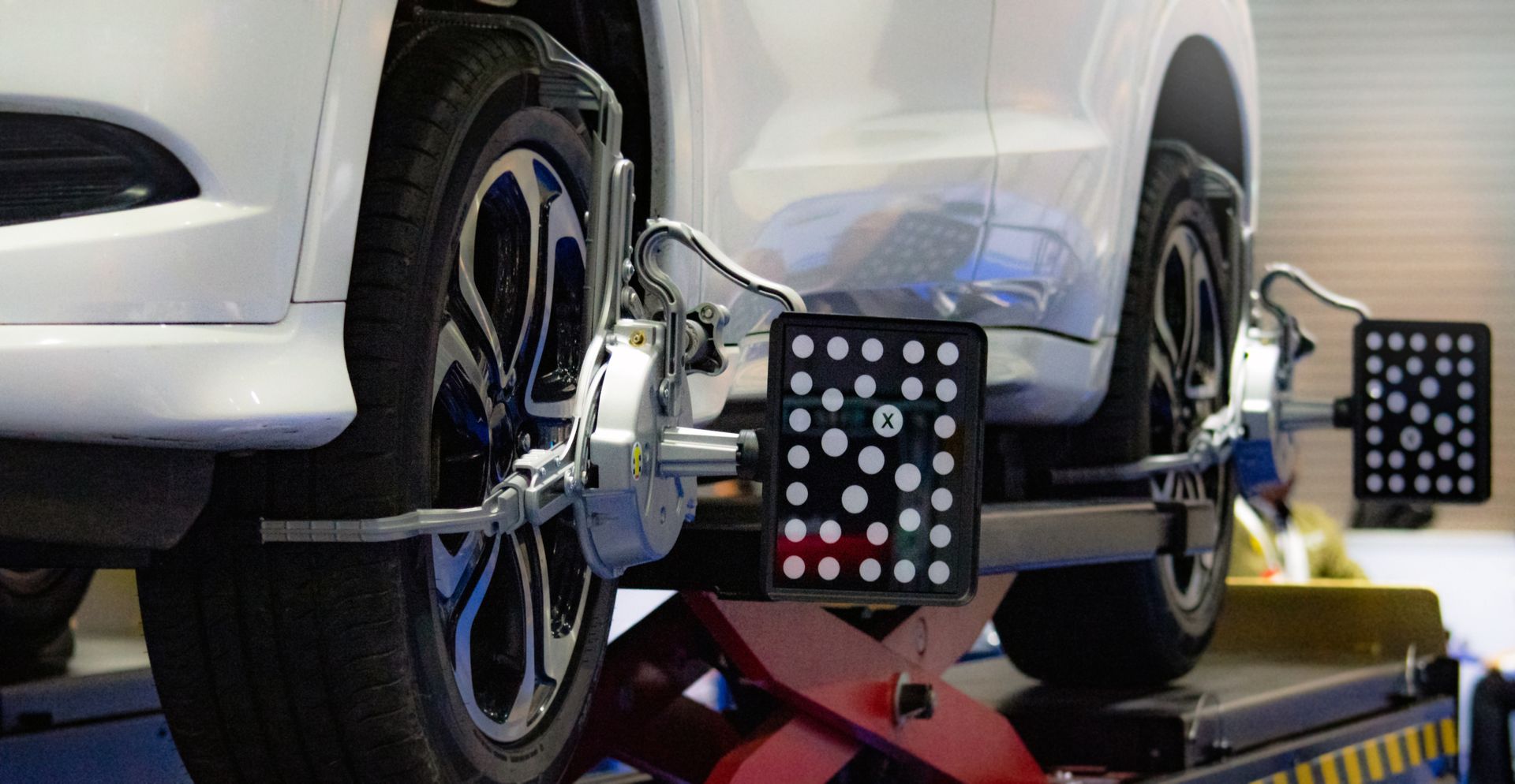
Tires affect steering, braking, traction, and overall vehicle control. Low pressure or worn tread can make a sudden stop more difficult, especially on wet roads.
Check tire pressure when the tires are cold and use the manufacturer’s recommended setting. The correct pressure is usually listed on a label inside the driver’s door area.
Look for uneven wear, cracks, bulges, punctures, or objects stuck in the tread. If one tire is repeatedly losing air, adding more every few days is not a long-term solution.
Temperature changes can also cause tire pressure to drop as summer gives way to fall. Regular checks help prevent a small pressure issue from becoming a flat during a hectic school morning.
Make Sure Your Brakes Feel Normal
Back-to-school traffic involves frequent stops, crowded intersections, and unpredictable movement. Your brakes need to respond consistently every time you press the pedal.
Schedule an inspection if you hear squealing or grinding, feel vibration, notice pulling, or need more distance to stop. A soft, low, or unusually firm brake pedal also deserves attention.
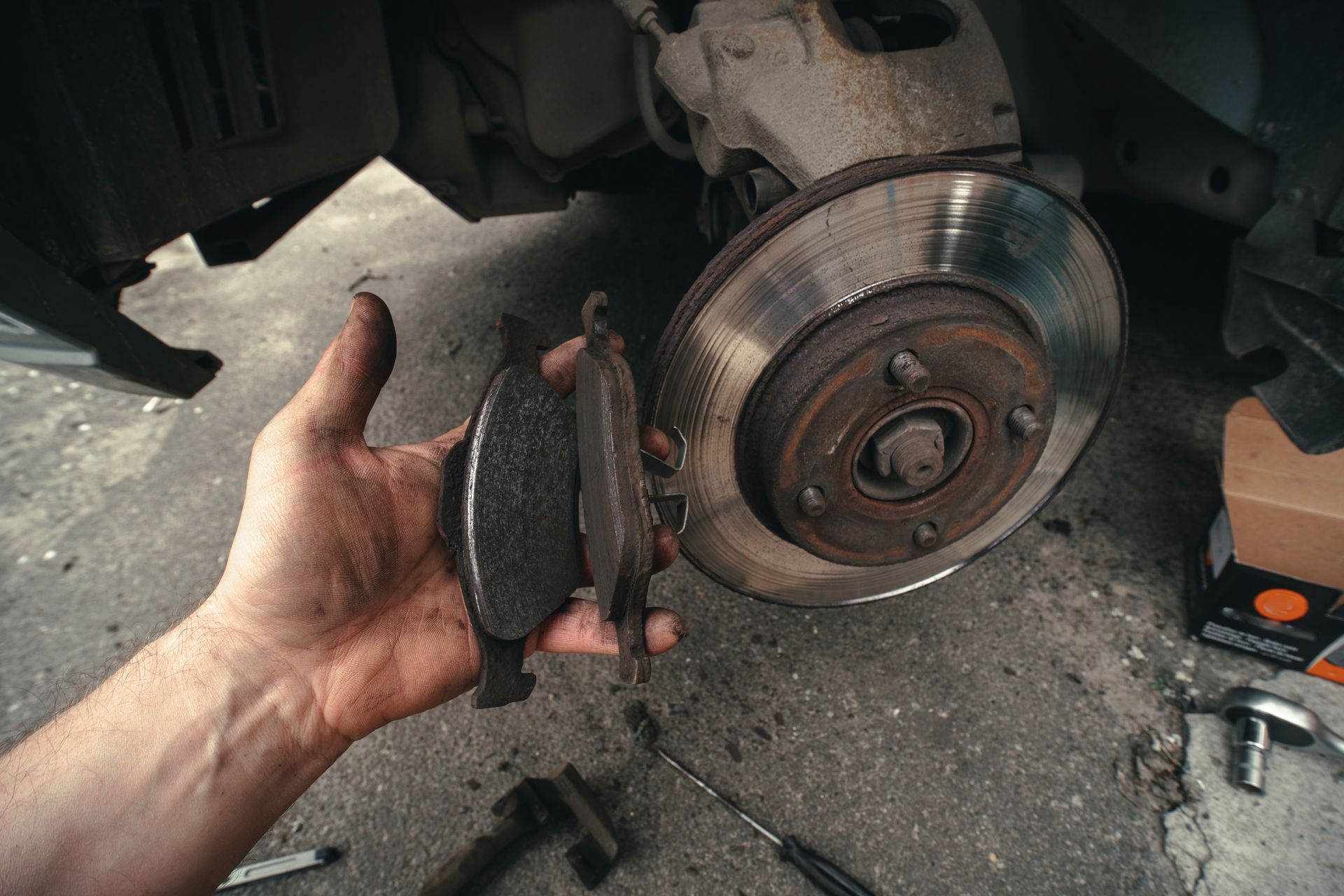
Brake wear often develops gradually, so drivers may adjust without realizing how much performance has changed. A professional inspection can measure pad thickness, examine the rotors, and check fluid and hydraulic components.
Catching brake problems early can help prevent more expensive repairs and give you greater confidence in busy traffic.
Test Your Lights And Wipers
School schedules often involve early morning or evening driving when visibility may be reduced. Check your headlights, brake lights, turn signals, taillights, and reverse lights before the season becomes busy.
Replace worn wiper blades that leave streaks or fail to clear the windshield. Top off the washer fluid and make sure the spray nozzles work properly.
A clean windshield matters too. Interior haze, dirt, and glare can make it harder to see pedestrians during sunrise or sunset.
Good visibility allows you to identify hazards earlier, while working exterior lights help buses, cyclists, pedestrians, and other drivers understand your next move.
Keep Up With Basic Maintenance
A breakdown is inconvenient at any time, but it can be especially disruptive during a packed school morning. Checking basic maintenance before the new routine begins can help prevent avoidable problems.
Review your oil change schedule, battery condition, coolant level, belts, hoses, and warning lights. Make sure the air conditioning and defroster work properly, since changing weather may require both.
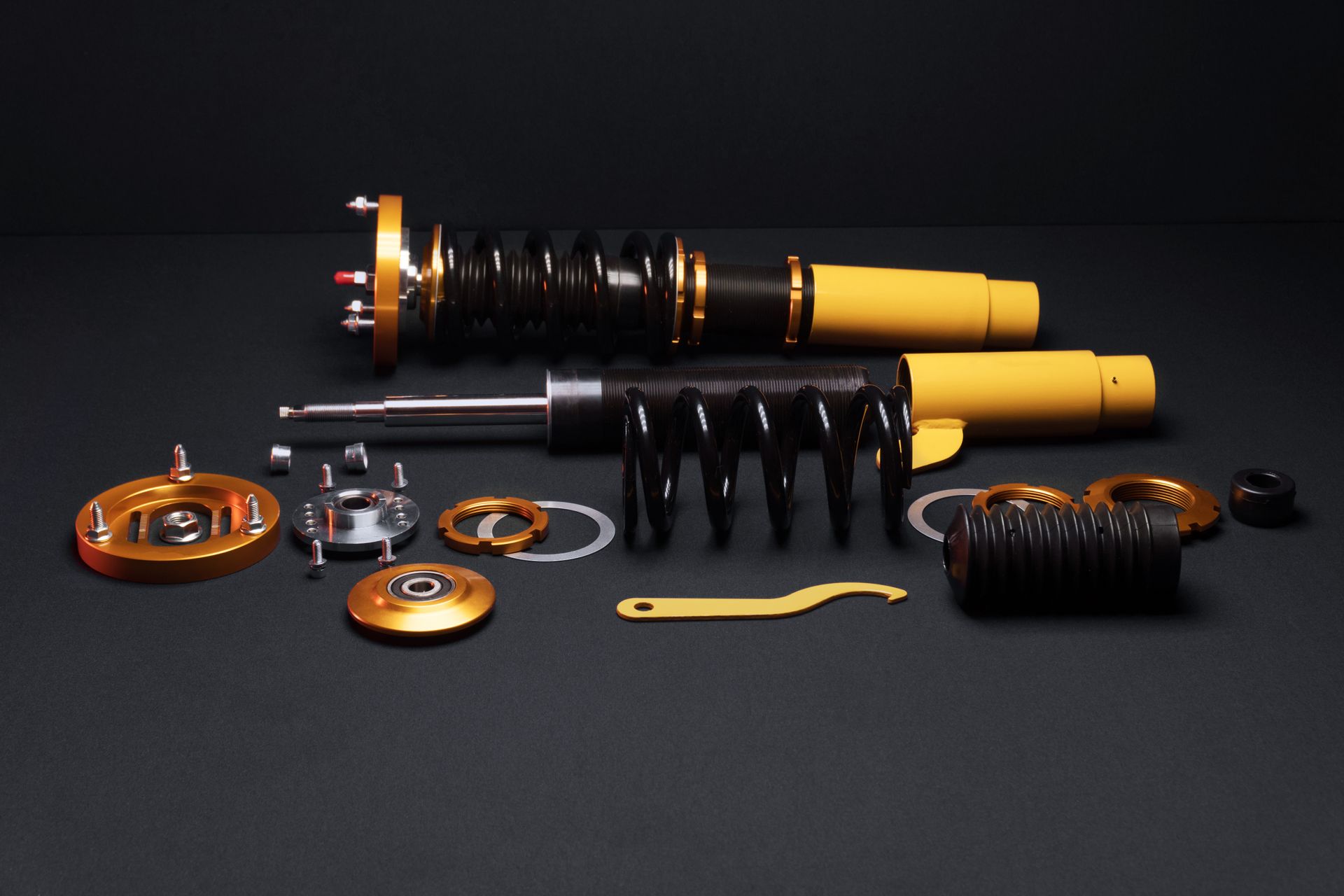
Pay attention to slow starting, fluid spots, unusual noises, or changes in handling. Vehicles often give early clues before a larger failure, and addressing them now may help you avoid being stranded during school pickup.
Start The School Year With A Safer Vehicle
Back-to-school driving requires more awareness than the average summer trip. Roads become busier, routines change, and children may appear in places where drivers are not used to seeing them.
Is your vehicle due for maintenance, or do you want added confidence before the school year begins? If so, stop by
A+ Brakes & Suspension in Brandon, FL. We can inspect the brakes, tires, battery, fluids, lights, and other essential systems to help prepare your car for busy mornings and afternoon traffic.
Call us today to schedule a back-to-school vehicle inspection.