A wheel alignment problem does not always feel serious right away. The car still drives, the tires still hold air, and nothing may sound broken. You just notice the steering wheel sits a little off, or the vehicle drifts if you loosen your grip for a second.
That small change can quietly wear out tires and make the car harder to control. Alignment affects how the tires meet the road, how straight the vehicle tracks, and how steady the steering feels. When those angles are off, the tires start working against the road instead of rolling cleanly with it.
Your Car Pulls To One Side
One of the most common alignment clues is a vehicle that pulls left or right while driving on a straight road. You may feel like you have to hold the steering wheel slightly against the pull to keep the car centered in the lane.
A slight road crown can cause any vehicle to drift, especially on roads designed for water runoff. But if the car pulls in the same direction on different roads, the issue is more likely inside the vehicle. Alignment, tire pressure, uneven tire wear, brake drag, or suspension wear can all create that feeling.
The Steering Wheel Is Off-Center
When driving straight, the steering wheel should be close to centered. If the wheel is tilted left or right while the car is going straight, the alignment may be off. This can happen after hitting a pothole, bumping a curb, replacing steering parts, or driving with worn suspension components.
An off-center steering wheel is easy to ignore because the car may still feel manageable. The problem is that the tires may not be pointing exactly where they should. Over time, that can wear the tread unevenly and make the vehicle feel less settled at higher speeds.
Your Tires Are Wearing Unevenly
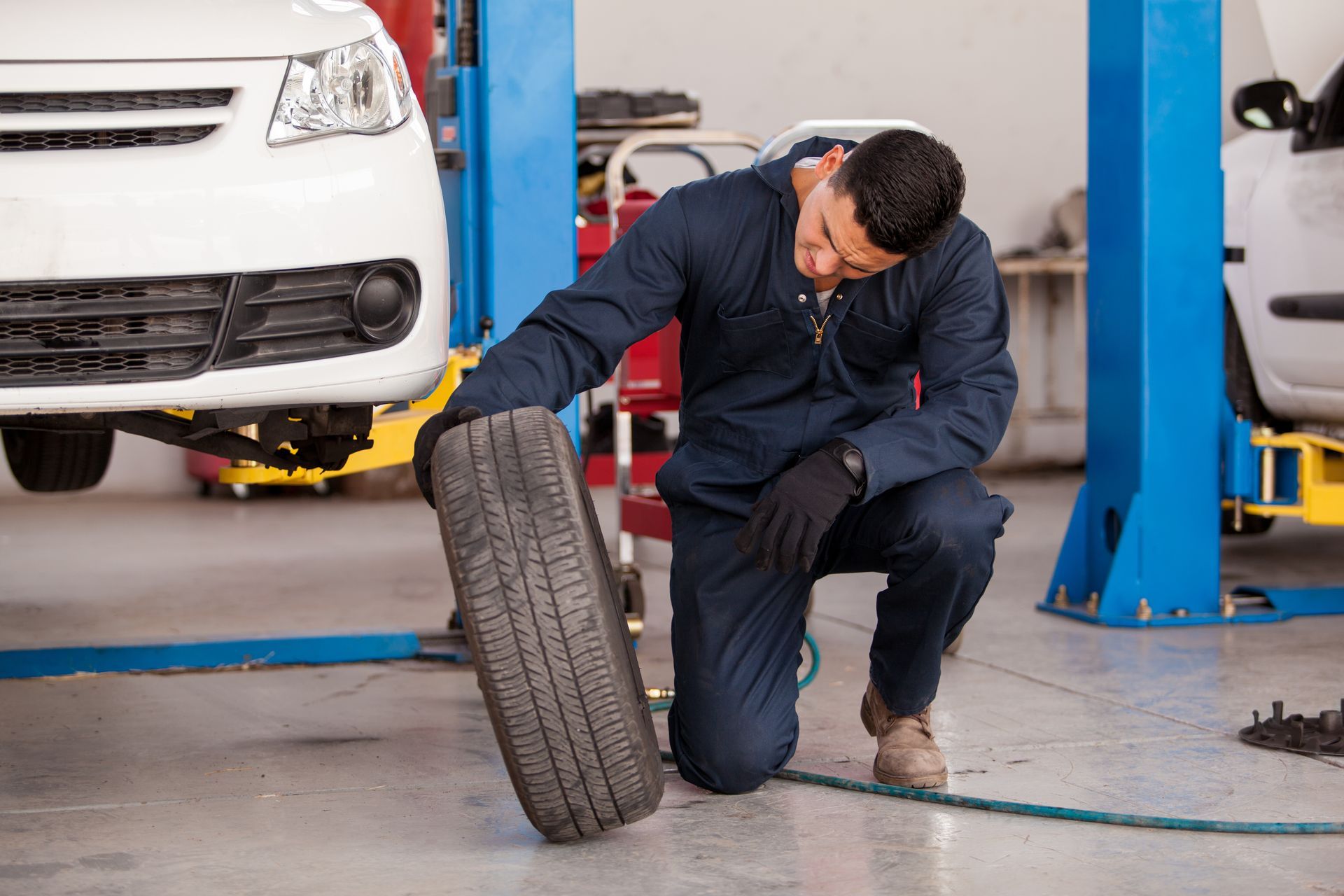
Tires often reveal alignment trouble before the driver feels a major steering change. One edge of a tire may wear faster than the other. The tread may look feathered, chopped, or rough when you run your hand across it. Sometimes the inner edge wears badly while the outside still looks decent.
Uneven wear is more than a tire problem. It can point toward alignment angles, worn shocks or struts, loose steering parts, weak bushings, or incorrect tire pressure. New tires can wear out early if the cause is not repaired first. That is why tire wear should always be part of an alignment inspection.
The Vehicle Wanders At Highway Speeds
A car that wanders on the highway can make driving tiring. You may feel like you are constantly making small corrections just to stay in your lane. The vehicle may feel loose, floaty, or slow to respond when you move the wheel.
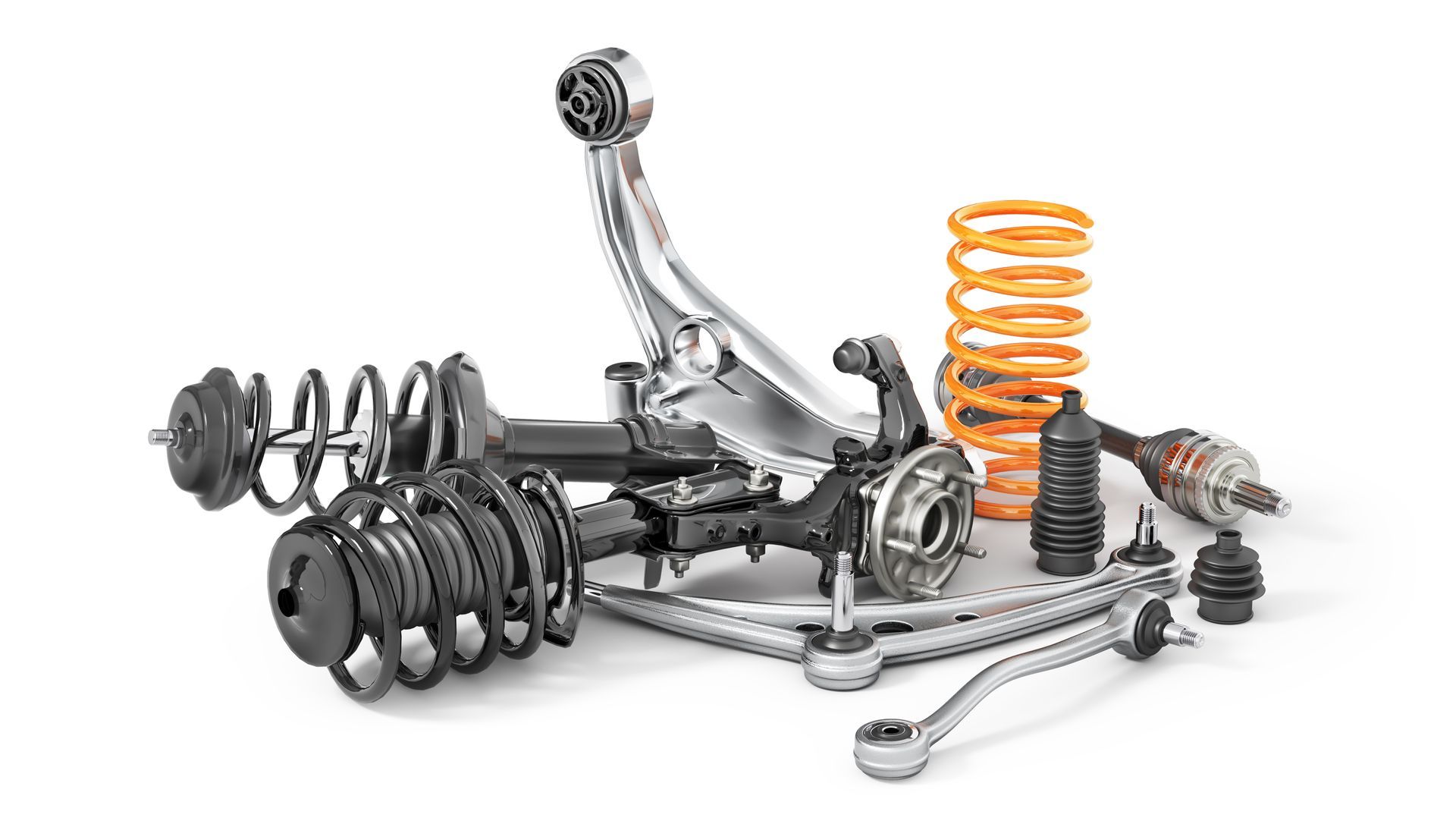
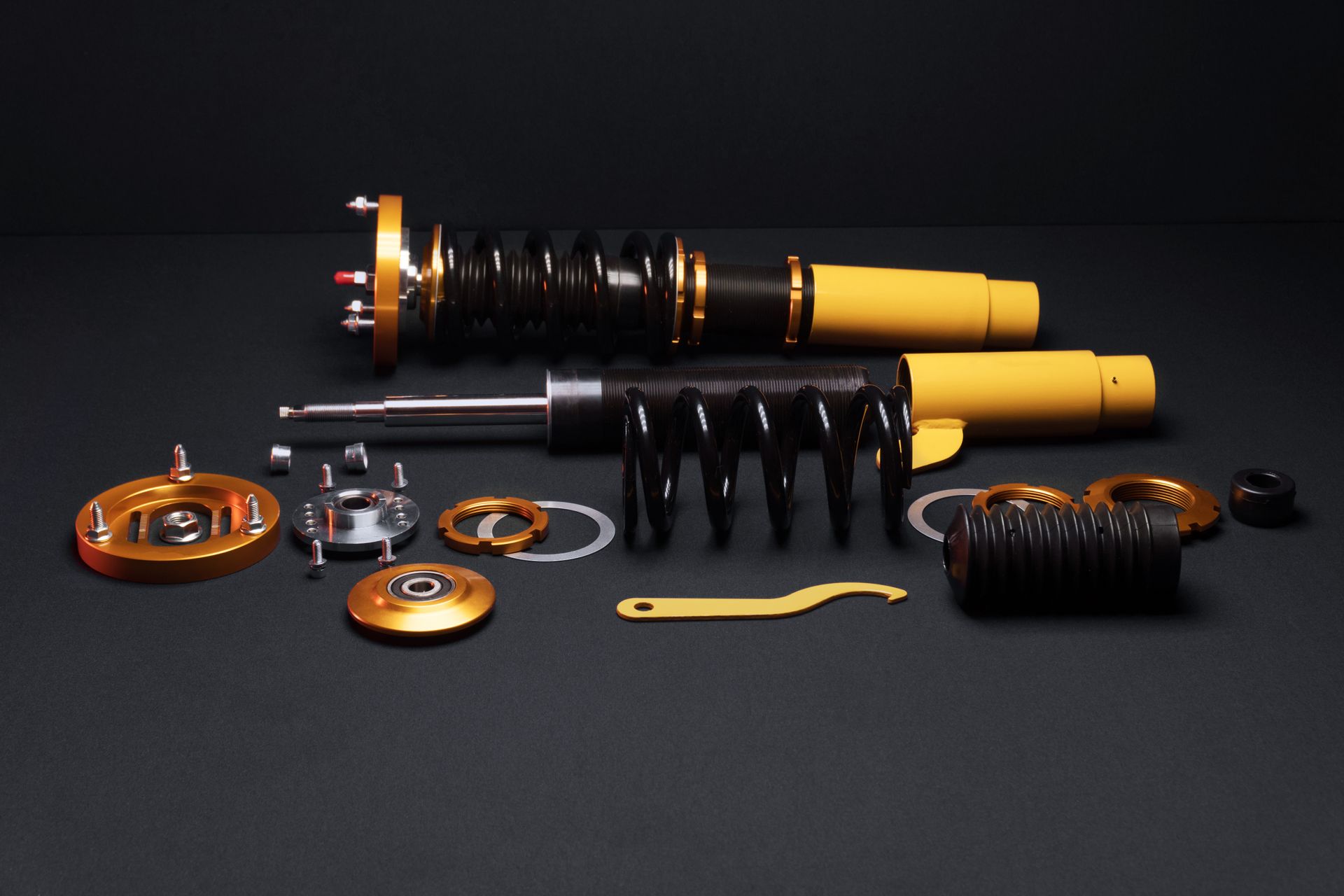
Alignment can be part of that problem, but so can worn steering or suspension parts. Tie rods, ball joints, control arm bushings, shocks, struts, and tires all affect how stable the vehicle feels. If the car no longer tracks straight at speed, it needs more than a quick glance at the tires.
You Recently Hit A Pothole Or Curb
A hard hit can knock alignment angles out of place. Potholes, curbs, road debris, and deep driveway edges can all send force through the tire, wheel, steering, and suspension. Sometimes the damage is obvious right away. Other times, the vehicle feels just slightly different afterward.
After a hard impact, watch for:
- Steering wheel no longer centered
- Pulling or drifting
- New vibration
- Uneven tire wear
- A clunk over bumps
- Tire pressure loss
- Bent wheel or sidewall bubble
Those signs can point to alignment issues, tire or wheel damage, or suspension wear. The sooner the vehicle is checked, the better your chance of protecting the tires.
Alignment And Tire Balance Are Not The Same
Drivers often mix up alignment and tire balance because both can affect how the vehicle feels. Tire balance deals with how evenly the tire and wheel spin. A balance problem usually causes vibration at certain speeds.
Alignment deals with wheel angles. It usually causes pulling, drifting, crooked steering, or uneven tire wear. A car can need both services, but one does not replace the other. If the vehicle shakes and pulls, the tires, wheels, alignment, and suspension should be checked to determine the cause and make the appropriate repair.
Why Alignment Should Not Be Delayed
Driving with poor alignment can shorten tire life quickly. Once a tire starts wearing on one edge, the damage cannot be reversed. That means a minor alignment issue can turn into an early tire replacement if left unchecked for too long.
Poor alignment can also make the vehicle feel less predictable during braking, turning, and highway driving. Regular maintenance helps catch tire wear and steering changes before they become expensive. A proper alignment check should confirm the angles, inspect tire condition, and look for worn parts that could keep the vehicle from holding alignment.
Get Wheel Alignment In Brandon, FL, With A+ Brakes & Suspension
If your car pulls, wanders, wears tires unevenly, or has a steering wheel that sits off-center, A+ Brakes & Suspension in Brandon, FL, can check the alignment, tires, steering, and suspension.