Tire rotation sounds like simple maintenance, but it has a direct effect on how evenly a set of tires wears. Front and rear tires don't handle the same workload, and leaving them in one position too long can shorten the set's useful life.
We see this often on vehicles that still drive fine but have one pair of tires wearing much faster than the other. By the time the difference is easy to see, some of that tread life is already gone. Rotating the tires on a consistent schedule helps spread that wear around before it becomes severe.
A Good Starting Point Is Every 5,000 to 8,000 Miles
For many vehicles, rotating the tires every 5,000 to 8,000 miles works well. The exact interval depends on the vehicle, tire manufacturer, drivetrain, and how the car is driven.
The owner's manual is the best place to confirm the schedule. Some tire manufacturers also require regular rotation to maintain tread-life warranty coverage, so keeping service records is useful.
At our shop, we also look at the wear pattern. If the front tires are clearly wearing faster than the rear tires before the normal interval arrives, we do not ignore what the tread is telling us.
Front Tires Usually Work Harder
Front tires steer the vehicle and handle a large share of the braking force. On front-wheel-drive cars, they also transfer engine power to the road. That combination can make them wear noticeably faster.
The difference becomes easy to see on vehicles that go a long time without rotation. The front shoulders may round off while the rear tires still look relatively fresh.
Rear-wheel-drive and all-wheel-drive vehicles spread the workload differently, but they still benefit from rotation. Tire pressure, alignment, suspension condition, and driving habits all affect how quickly one position wears compared with another.
Rotation Helps the Whole Set Wear More Evenly
The goal of rotation is not to make worn tread come back. It moves each tire through positions that place different loads on it before wear becomes excessive.
Benefits include:
- More even tread depth from tire to tire
- Longer useful life from the full set
- More consistent handling front to rear
- A better chance to catch abnormal wear early
- Easier planning when replacement time comes
Keeping tread depths closer together is especially useful on all-wheel-drive vehicles. Large differences in rolling circumference can put unnecessary stress on some AWD systems.
Not Every Tire Can Be Rotated the Same Way
There is more than one rotation pattern. The correct pattern depends on the tire design, wheel size, and drivetrain.
Directional tires normally stay on the same side of the vehicle because their tread is designed to rotate in one direction. Staggered setups, where the rear tires are wider than the fronts, often cannot be rotated front to rear at all.
Some vehicles can only swap tires side to side, while others need the tires removed from the wheels to allow a more complete rotation. We check the tire size and design before moving anything.
Rotation Will Not Fix Alignment or Suspension Problems
A tire rotation helps with normal wear. It does not correct a mechanical problem.
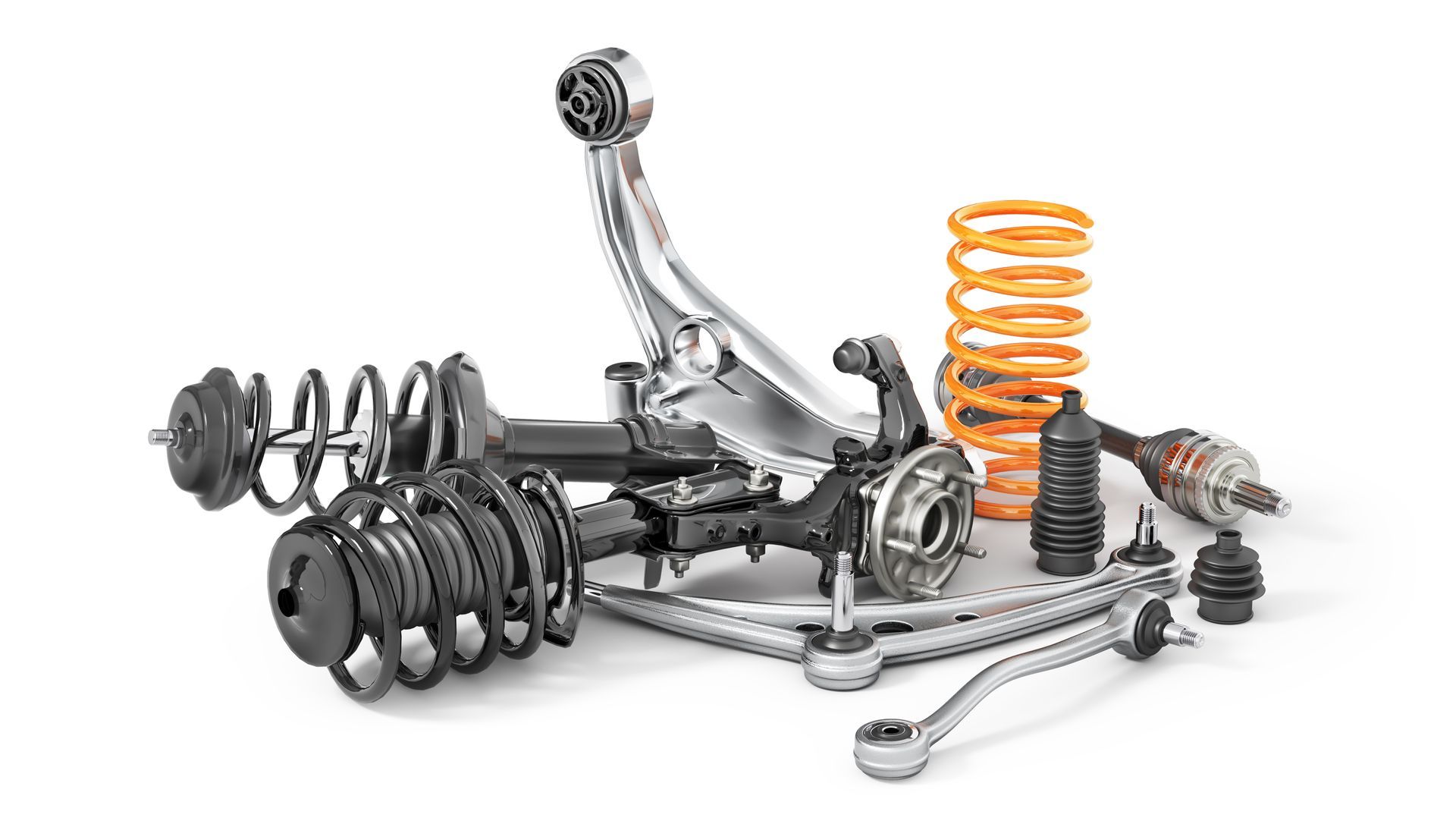
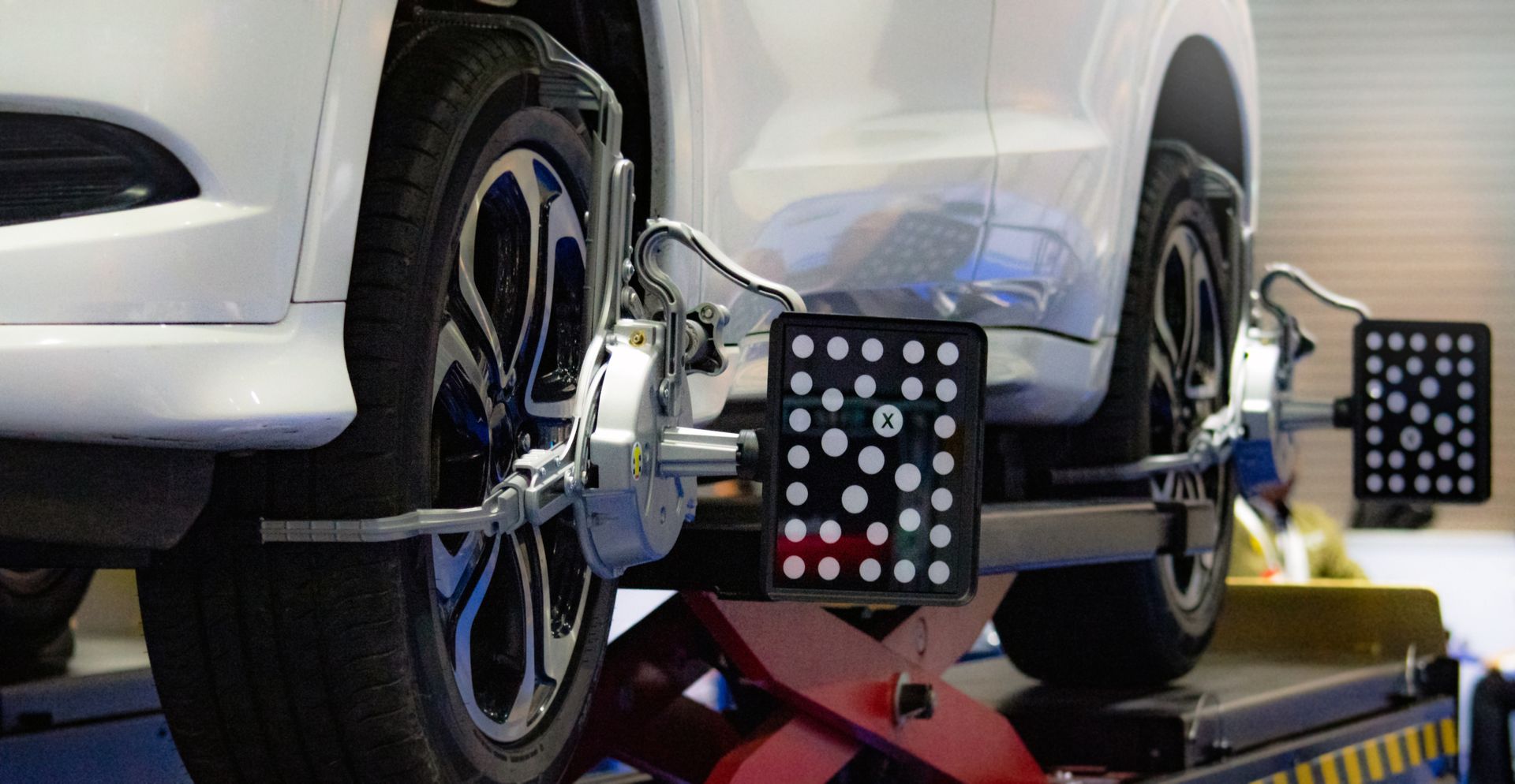
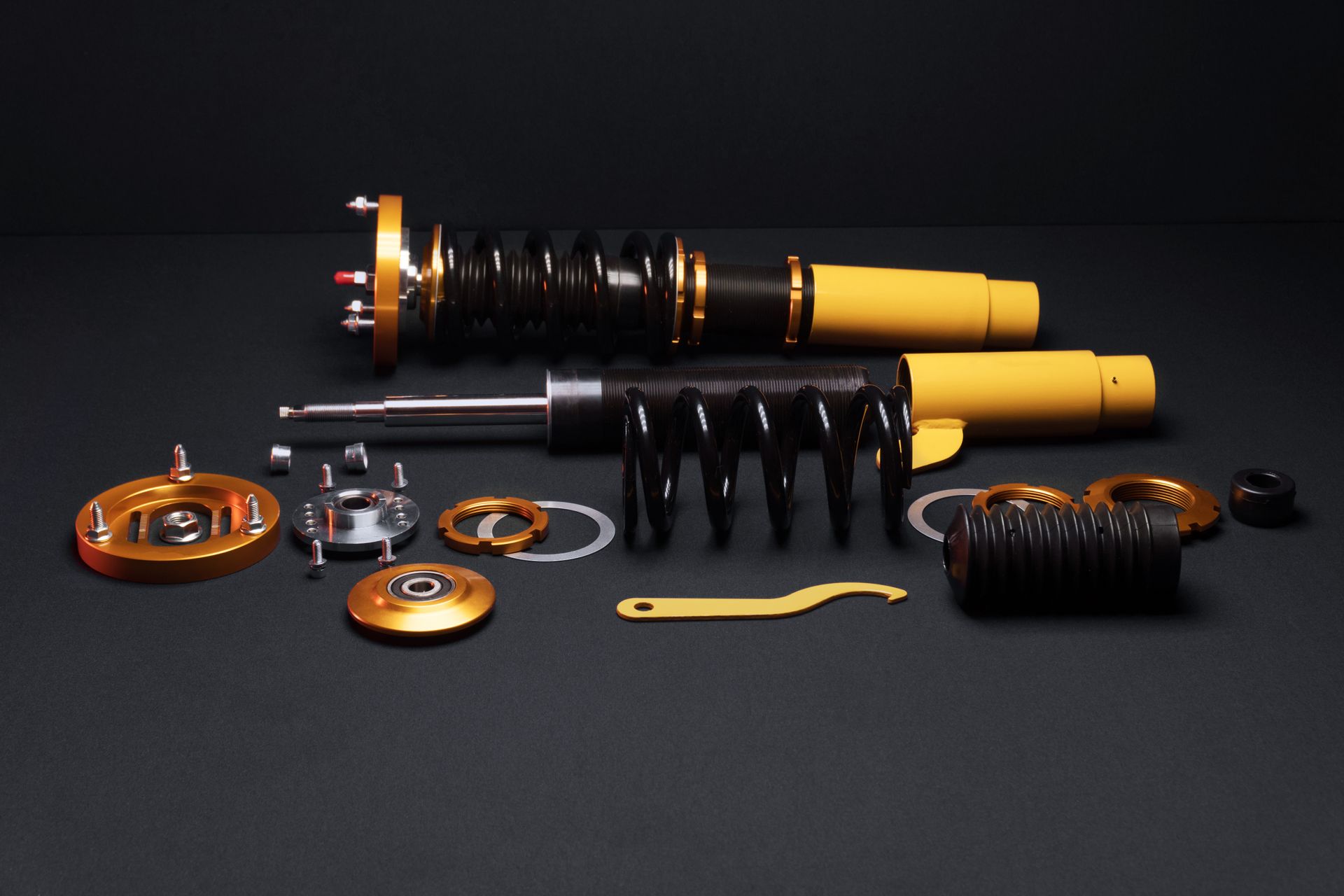
If one tire is worn badly on the inside edge, has deep cupping, or develops feathered tread, we look for the reason. Alignment, worn shocks or struts, loose suspension parts, wheel imbalance, and incorrect tire pressure can all create patterns that rotation alone cannot fix.
During an inspection, we compare all four tires and look at where the wear starts. A tire that keeps developing the same pattern after each rotation points to another issue.
Do Not Wait Until the Difference Is Obvious
Once the front pair is significantly more worn than the rear pair, rotating them does not restore the missing rubber. It can move the better tires forward, but the set is already uneven.
Regular maintenance works better because we can track tread depth from one visit to the next. If the wear rate starts changing, we can catch it before one pair reaches replacement depth much earlier than expected.
Tire pressure should also be checked between services. Even a good rotation schedule cannot overcome weeks of driving with one tire underinflated.
Get Tire Rotation Service In Brandon, FL, With A+ Brakes & Suspension
If your tires have been in the same positions for several thousand miles or one pair is wearing faster than the other, A+ Brakes & Suspension in Brandon, FL, can check the tread, pressure, tire condition, and proper rotation pattern for your vehicle.
Schedule a tire rotation and keep all four tires wearing as evenly as possible.